
$8B in growth, and billions more planned. What’s next for UK’s campus expansion?
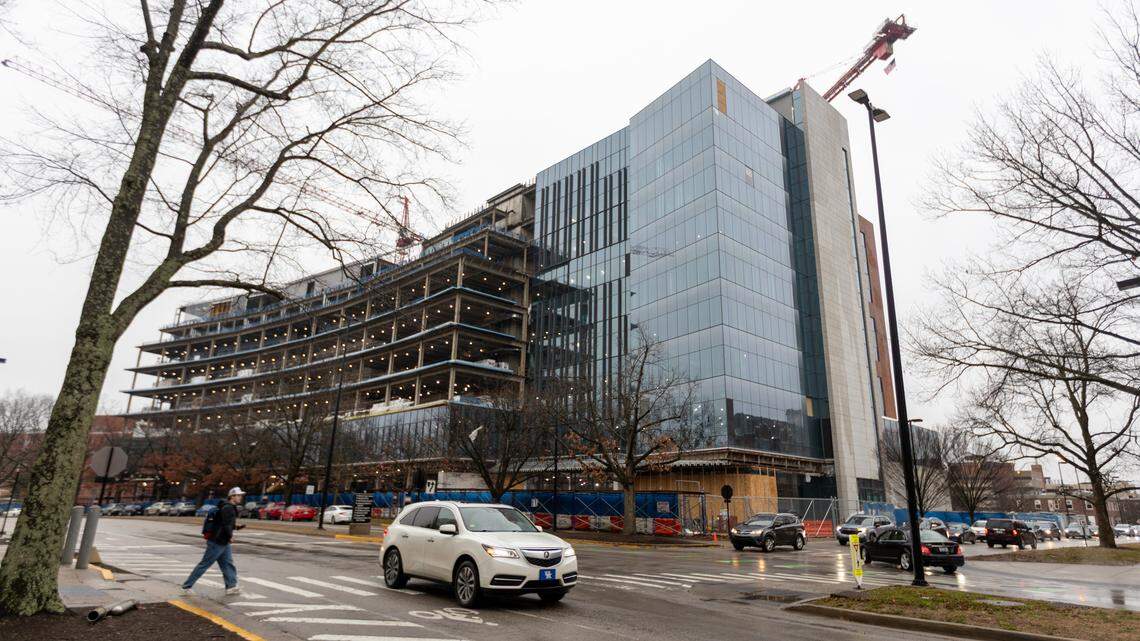
Under President Eli Capilouto, the University of Kentucky has spent nearly $8 billion on renovating and expanding its campus, with more than $7 billion more planned in the coming years, according to university records.
During Capilouto’s tenure, since 2011, the university has renovated and added several high-profile buildings, including new dorms, construction — and expansion — of the Gatton Student Center and an $82 million renovation of Historic Memorial Coliseum.
Increasingly, the university expanded its campus boundaries, buying property and buildings near campus. That’s resulted in 8 million square feet of new or renovated space on campus, according to university records.
And that doesn’t include new student apartment complexes, which are private developments that aim to offer housing to students at UK, where enrollment has ballooned from 30,761 in 2015 to more than 38,000 this school year. Those private developments — and plans to demolish historic, but often outdated, buildings — have drawn the criticism of local preservationist groups and neighborhood associations.
Still, the expansion continues.
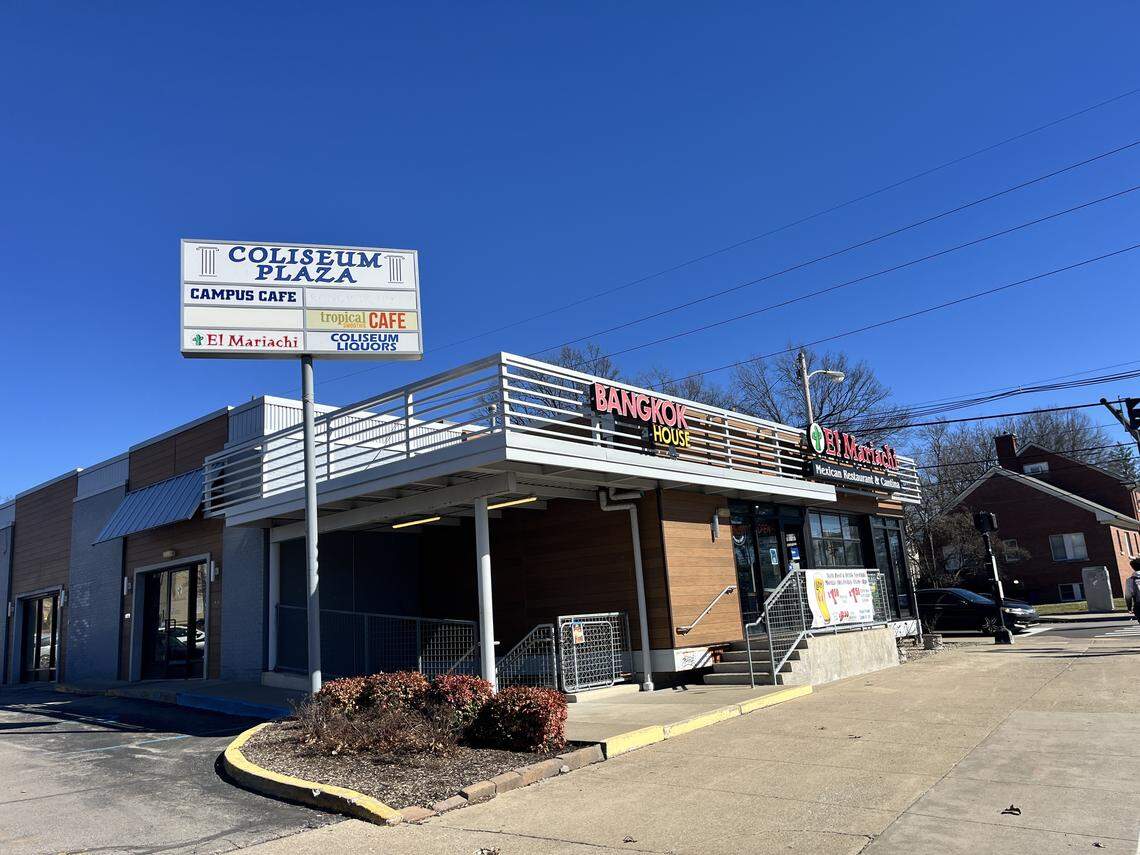
At the school’s most recent board of trustees meeting, it approved the purchase of two new parcels of land: Coliseum Plaza, at the corner of Rose Street and Avenue of Champions, and a now-vacant 0.57-acre lot at 1008 South Broadway.
The restaurants now in Coliseum Plaza are expected to continue operating through the remainder of their leases. At least one has two years left, but the property could become part of a sports fan entertainment district that includes dining, retail and housing. Plans for the lot on South Broadway have not yet been announced.
Jay Blanton, vice president for university relations and chief communications officer at UK, said the college’s expansion remains strategic. When considering growth, he said, the driving question is: “How does this advance Kentucky?”
“The state needs us to grow, to accomplish more, to do and be more, to advance the state,” Blanton said. “For Kentucky to reach its economic potential, it needs to get bigger. For Kentucky to reach its economic potential, it needs to get healthier. For Kentucky to reach its economic potential, it has to have even higher educational attainment levels.”
Meanwhile, downtown Lexington continues to grapple with how to accommodate its own population growth — including increased need for affordable housing options.
UK to open first new dorm since 2017
As enrollment has repeatedly hit record highs in recent years, the university has faced significant on-campus housing shortages.
In 2017, UK completed a housing project that added 14 new dorms over several years to campus. As part of a public-private partnership, the dorms are operated by Greystar.
A new dorm is scheduled to be completed in July, adding 649 new beds. On the south side of campus, behind Ingels, Baldwin and Smith halls, the $81 million project will open this coming fall semester, according to information presented at the February board of trustees meeting. It will be the first new dorm opened since 2017.
The university has also been exploring other options for on-campus housing, but no decisions have been made yet about what that could look like, Blanton said.
“As enrollment grows and retention and graduation rates continue to increase, we want more and more students to be able to live on campus,” Blanton said. “We have more than 8,000 students living on campus right now. That’s a record number of students.”
UK does not require first-year students to live on campus, but students often chose to do so. Blanton said between 80% and 90% of first-year students live on campus, and a growing number of returning students are also choosing to stay on campus.
At the same time, city officials have given approval to a new student apartment complex off campus — though getting approval from the Lexington-Fayette Urban County Council was a long and contentious process.
St. Louis developer Subtext proposed a larger version of the same project last year. The plan was rejected amid concerns from the surrounding Pralltown neighborhood, one of Lexington’s first Black neighborhoods. Houses in the neighborhood have increasingly been turned into student rental homes since the 1980s, and the Pralltown neighborhood association raised concerns about the area being further taken over with student housing.
Subtext agreed to give $3 million to the association to create a foundation focused on preserving owner-occupied homes in Pralltown. The approved housing complex will be eight stories tall with 491 bedrooms and 215 parking spaces in an internal parking garage, and retail space on the ground floor. The complex will be built along South Limestone, Prall Street and Montmullin Street.
The council will give final approval to the project at its March 12 meeting.
As private companies are building near campus, Kevin Locke, associate vice president of planning, design and construction, said those plans affect the university’s planning.
“We’re keeping an eye on what’s going on from a housing standpoint, but we also realize that we have some opportunities on campus for more undergraduate housing here as well,” Locke said.
Additional student apartment complexes are also in the works, with two complexes planned for East Maxwell, for a total of 1,450 additional bedrooms.
“The preliminary numbers are that we still have a number of freshmen and sophomores who would like to live on campus. ... There still is the campus experience that a lot of undergraduates are still trying to be a part of, and I think that’s very important,” Locke added.
UK to build new fan entertainment district
At the February board of trustees meeting, the purchase of a corner property near Memorial Coliseum was approved for $3.9 million.
The athletic department announced plans in June to pursue the creation of a sports fan entertainment district near UK facilities that could include dining, retail, hotels and other entertainment options in an effort to boost revenue for the department.
While the bulk of that project is expected to be in the area around Kroger Field, on the south end of campus, Sasaki, the architecture firm contracted to explore possible design options, is also considering the area around Memorial Coliseum.
Four options were presented at the board meeting for a fan district. It could include retail, dining, housing and other entertainment options for game days near athletics facilities.
Locke said the goal is to create something unique to the UK game day experience, while also being a source of revenue generation for the athletic programs, which are undergoing major funding changes. With the introduction of name, image and likeness earnings for college athletes, and the NCAA House settlement that introduced revenue sharing, athletics programs around the country have been grappling with revenue losses and budget cuts.
Last year, the UK athletics department said it expected to operate with a net loss of nearly $31 million, resulting in an internal loan from the university to athletics.
“How do we make this experience something that is very truly unique to UK?” Locke said. “And the other thing is, how do you really engage students so that this isn’t something where they’re excluded from it, but they’re a very integral part of this process, and that they are using these spaces?”
Major renovations and new academic building
UK has undertaken major renovations of classroom buildings in recent years, too. The $82 million renovation of White Hall — the largest classroom building on campus — began in 2024 and is scheduled to be completed this summer.
The 161,000-square-foot building will include new lecture halls, classrooms and collaboration spaces that students can use. Prior to renovations, the space had essentially been the same since 1969, Locke said.
“That’s going to be a dramatic improvement over what it was,” Locke said.
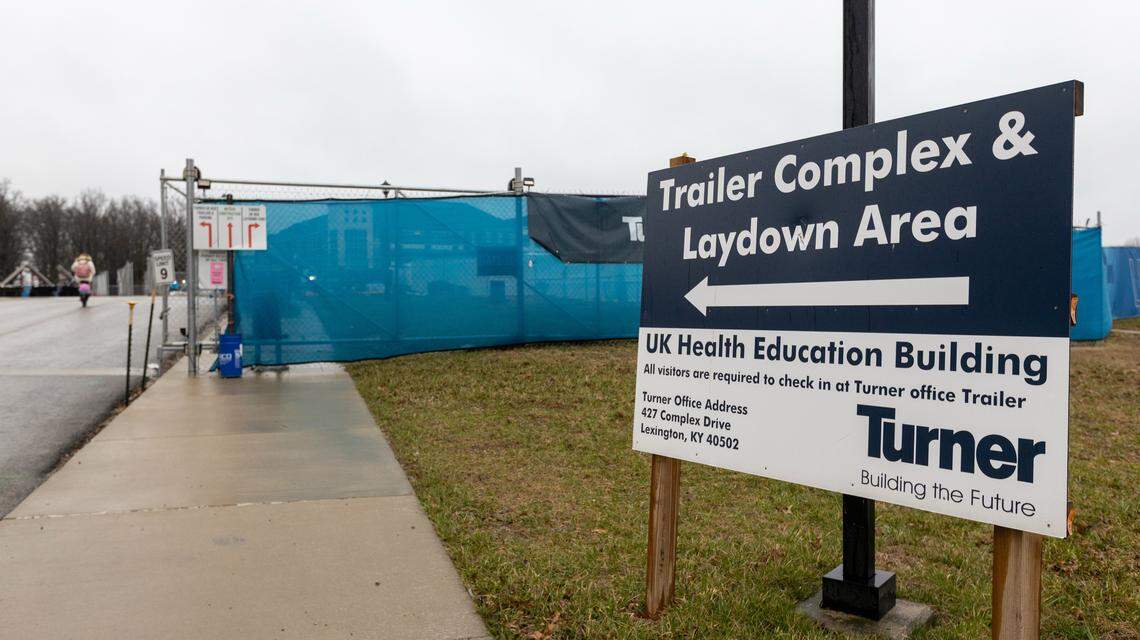
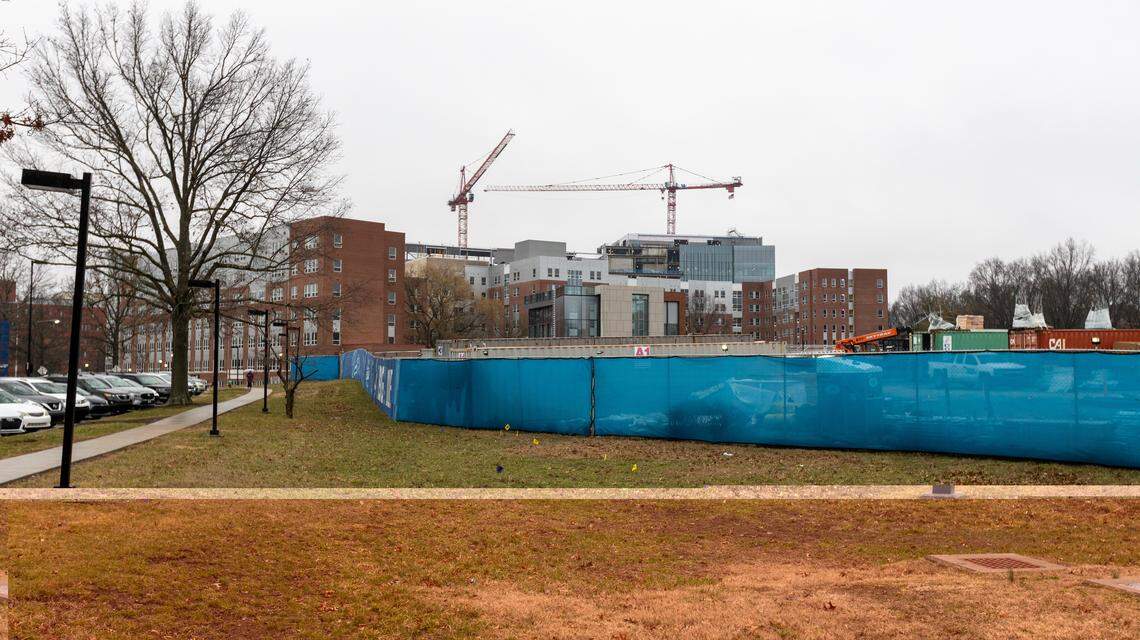
Another large academic building is also under construction. The new Michael D. Rankin, MD Health Education Building is expected to be completed in January 2027. The $410 million, 500,000-square-foot space will bring together multiple health majors, including medicine, public health, health sciences and nursing.
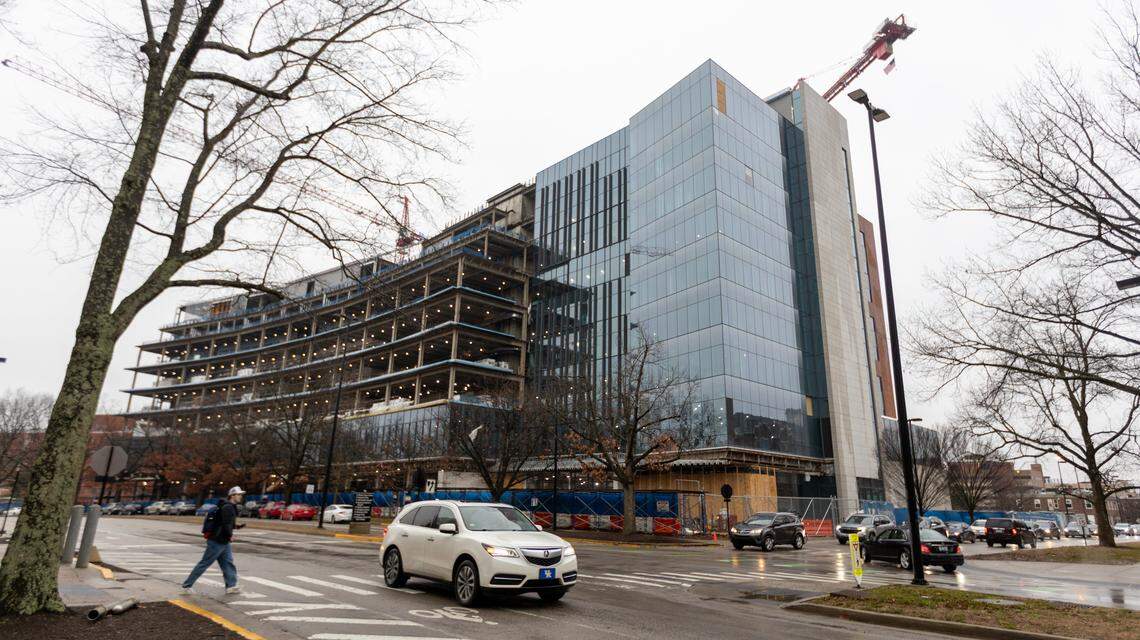
“One of the biggest needs is in health care, and one of the many buildings under construction right now is the Michael D. Rankin, MD Health Education Building, which ultimately is helping us create additional capacity to recruit and help degree medical students, nursing students, doctor, nurse practitioner students, and many other health professions,” said Rob Edwards, vice president for strategy and government relations.
Located between UK’s main campus and the UK hospitals, the new building will allow UK to increase its enrollment in those colleges, addressing the need for more health care workers in Kentucky. Early estimates were that UK could grow its class size to 200 students per year, and more than 1,000 total medical students.
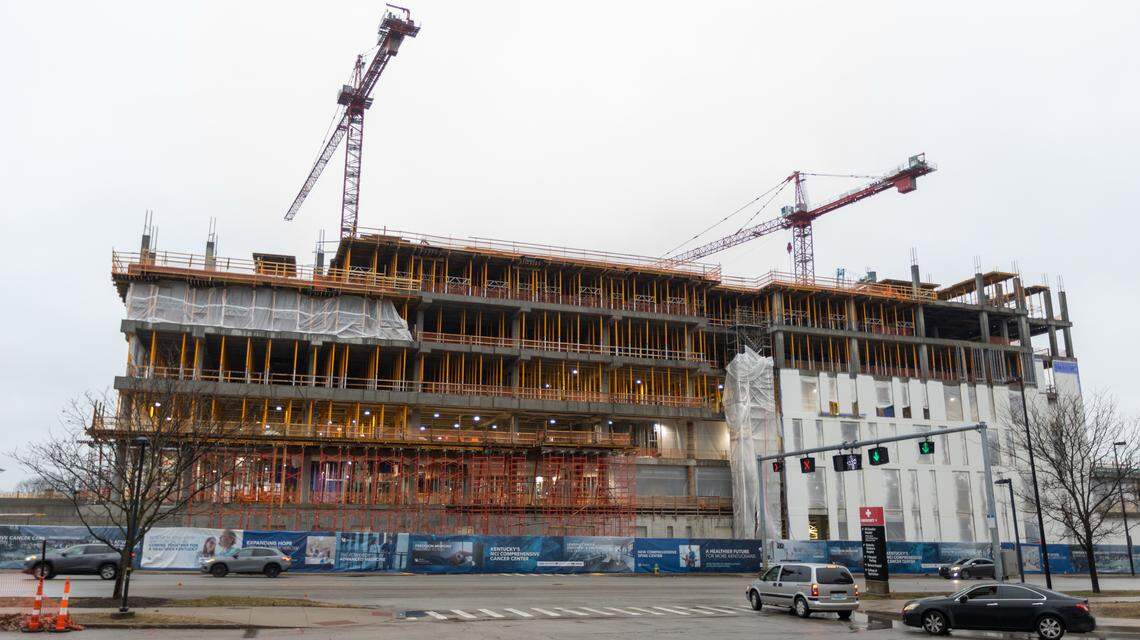
Along with growth in the health care colleges, UK has also undertaken expansions in their hospitals. Albert B. Chandler Hospital will add 900 additional patient beds, and a new Cancer and Advanced Ambulatory Building will be the home to Markey Cancer Center.
As more patients are referred to UK for treatment, the number of patients treated at UK has doubled in the last 10 years, Blanton said. But that also means the hospital system must grow to continue to treat those patients, Edwards said.
“Their needs to grow are all around patient demand,” Edwards said.
Community pushback
With three off-campus student housing complexes planned in the same area, some neighbors have voiced frustration and opposition to the university’s expansion.
In recent years, homeowners in the neighborhoods around campus have spoken out at council meetings, saying the area has been overrun with private apartment buildings that take away affordable rental properties.
Maureen Peters owns a home next to the new student apartment complexes on Maxwell Street. Peters spoke publicly against the zone change that allowed the student complexes to be built, and now, construction is ongoing 10 feet from her house, she said.
Peters said she has concerns about increased traffic and deliveries to the new student housing complexes. And while the buildings are under construction, there are times when she has to relocate due to noise.
“I just think they need to think more holistically,” Peters said.
Noting that the university is building one dorm, while outside companies are constructing thousands of new beds for off-campus housing, Peters said it’s had an impact on the neighborhood — which is now mostly rental homes and fewer long-term residents, she said.
“I wish UK would be more forthcoming about what their plans are,” Peters said.
This story was originally published March 9, 2026 at 5:00 AM.